
Home / Quality & testing
Quality you can squeeze
Slow rise and squeeze toys go wrong in a handful of known ways. These are the checks we run and the tests each market expects.
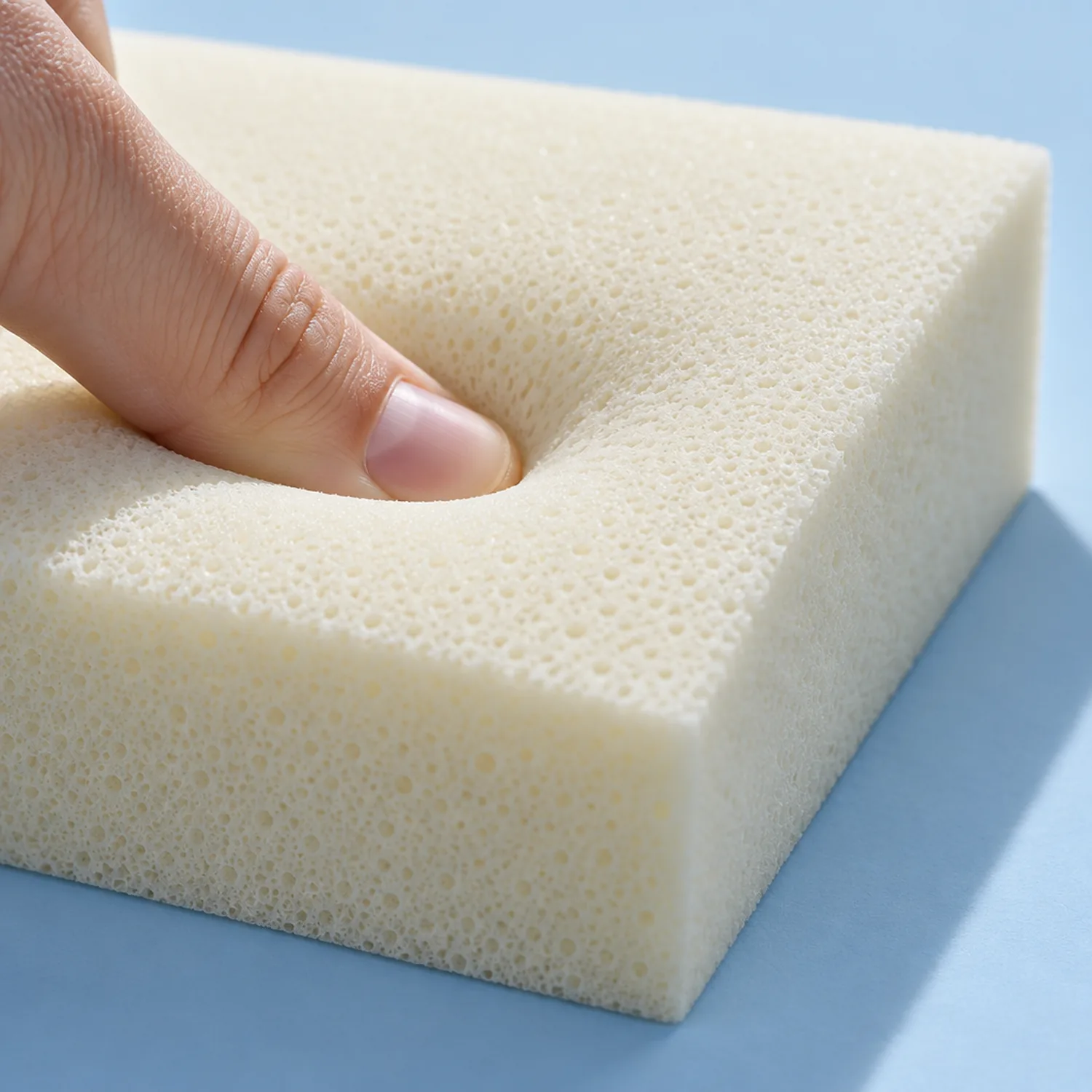
Slow rise foam
- Rise time vs the approved sample
- Odour on every carton
- Paint flexing and rubbing
- Individual sealed bags

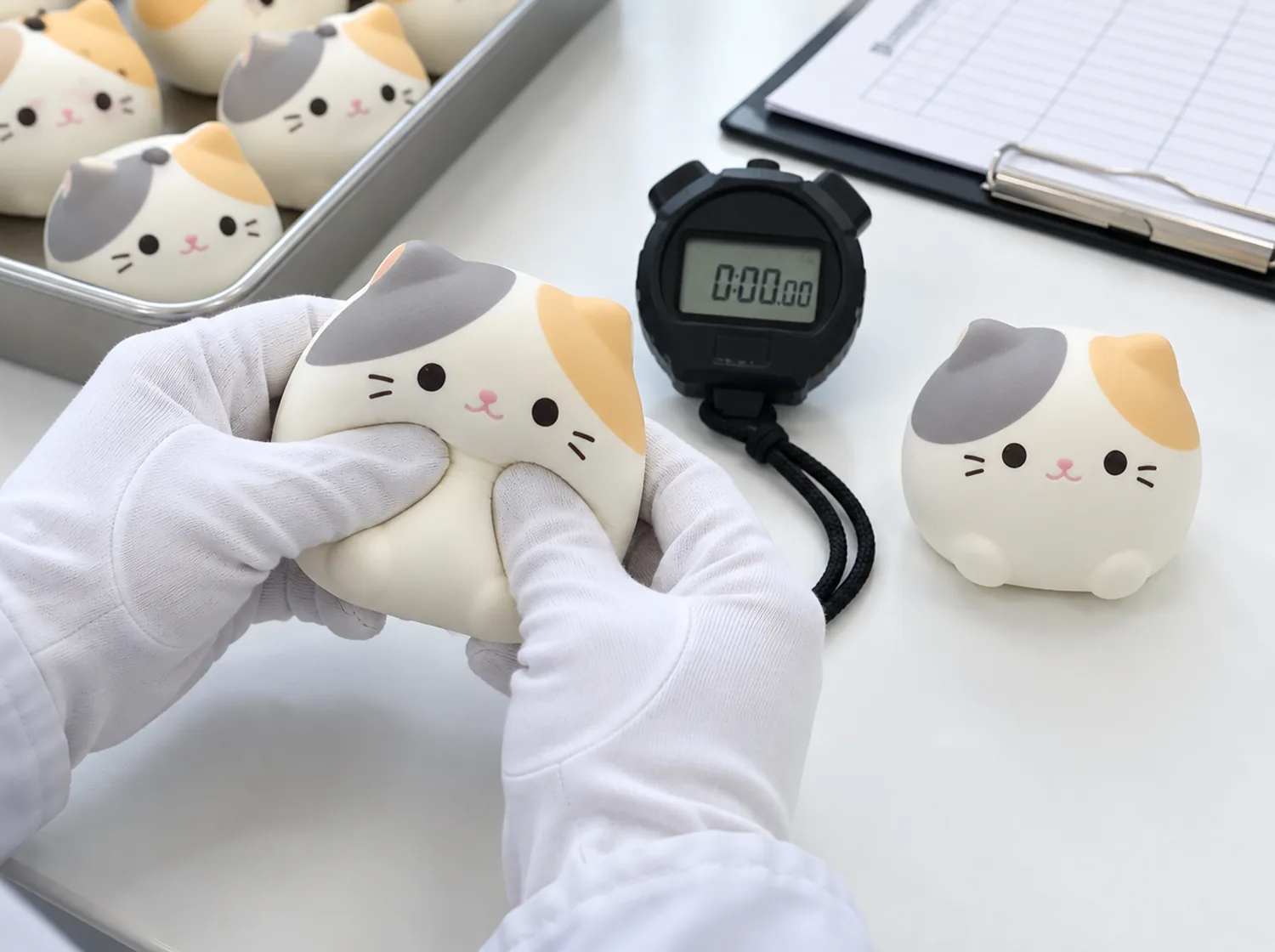
TPR
- Warm-carton oil bleed check
- Wall stretch and tear
- Filling leaks
- Colour transfer
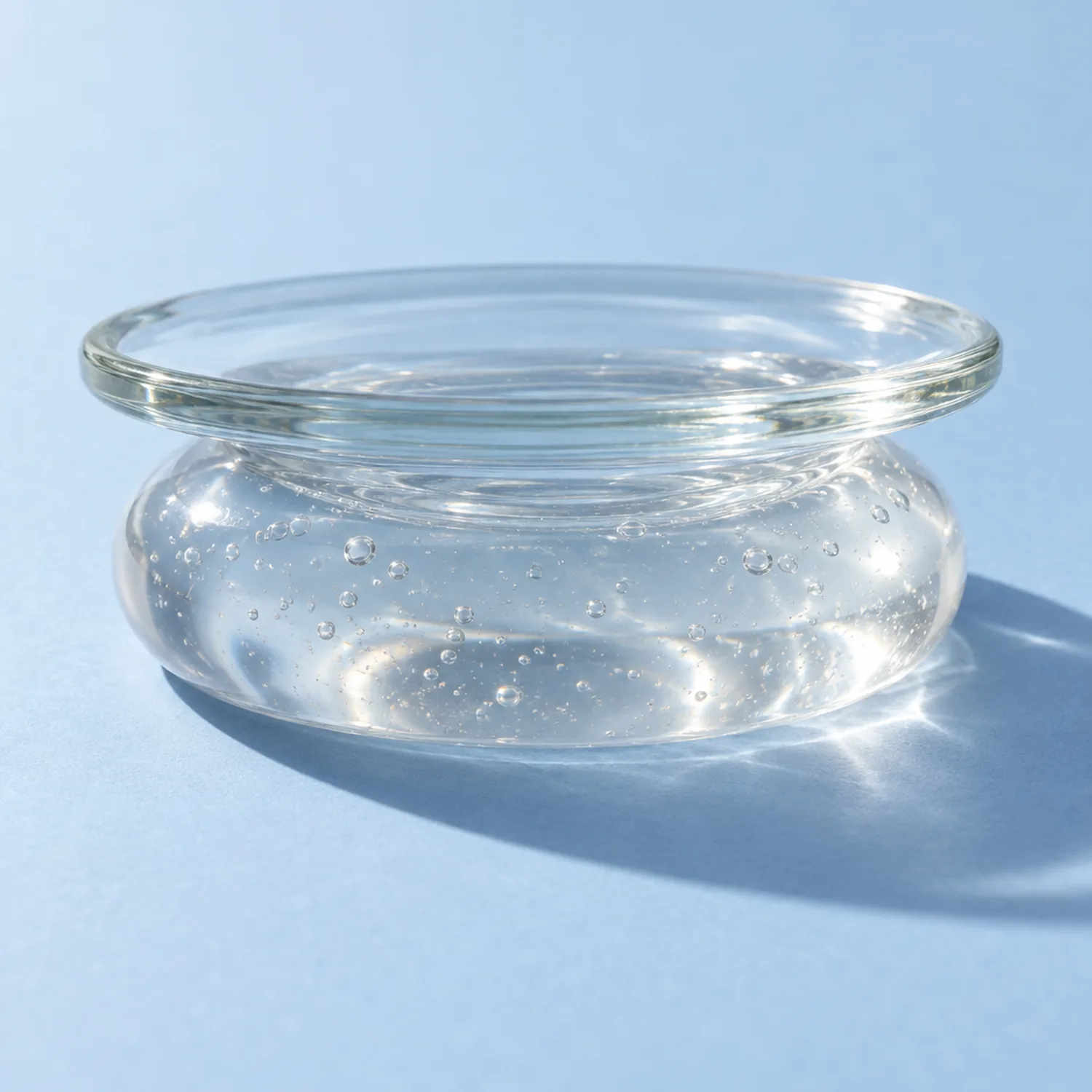
Silicone
- Fully cured, no smell
- Thin-part tear strength
- Bubbles in clear pieces
- Surface tack and dust
Testing by market
Which tests apply
| Market | Usually required | Notes |
|---|---|---|
| European Union | EN71-1, -2, -3; REACH; CE marking; GPSR | Products need an EU-based responsible person under GPSR. |
| United Kingdom | EN71 series; UKCA or CE; UK REACH | Covered by the UK Toys (Safety) Regulations. |
| United States | ASTM F963; CPSIA lead and phthalates; tracking labels | The importer issues the Children’s Product Certificate based on tests from a CPSC-accepted lab; Prop 65 may need a warning in California. |
| Amazon | The tests above plus Amazon’s own document checks | Toy listings are often asked for test reports and a CPC. |
General guidance only, not legal advice. The exact plan depends on age grade, product and sales channel — we agree it with you and an accredited lab such as SGS, Intertek or BV.
Test reports
Reports that match your product
A report for a “similar” toy does not cover yours. Reports we supply name the exact item, material and colour and are recent; if an existing report does not match, your batch is tested.
PU foam toys have been withdrawn from European shelves in the past after chemical findings, so we recommend chemical testing for every foam order shipped to the EU or UK.
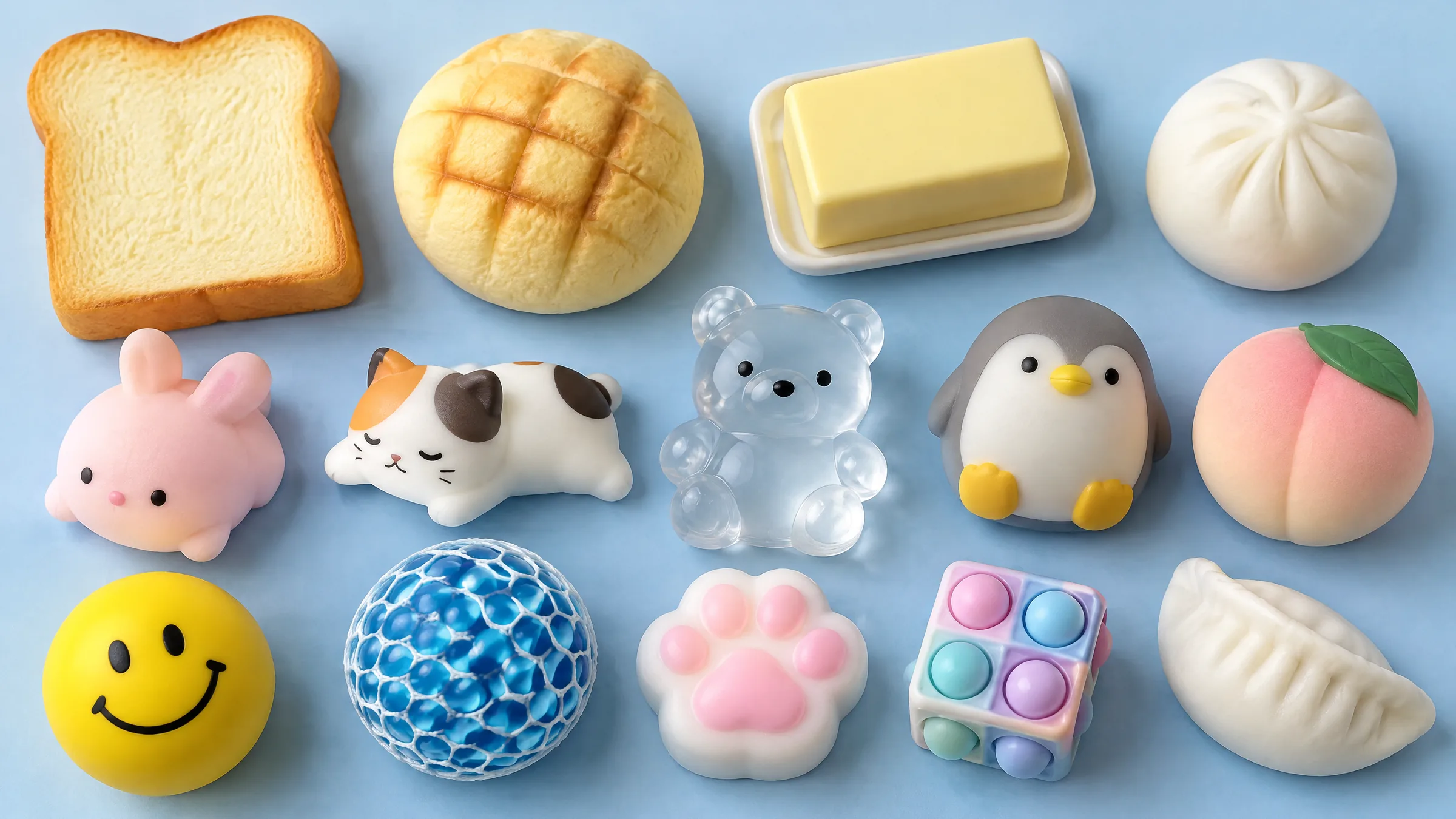
Pick your designs, get prices.
Add designs to your cart or send us the item numbers, quantities and the country you sell in. You get unit prices, MOQ and the dispatch date, normally within one working day.